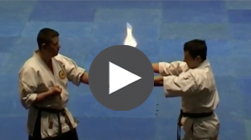
This is Oyadomari Passai kata. That is Tomari version of Passai kata and it is generaly oldest version that survived today. This kata is modified in Shotokan and is also known as Bassai dai. Version that we practice is similar to one that is passed down through Matsubayashi school. There is saying that Passai means “Lion dance” and I think that it is highly possible because there are many paw and claw techniques that are similar to cat movements. Our dojo has lion as an amblem and Passai is our signature kata.
Kushanku kata – Shorin version video
Kata Kushanku is most advanced Shorin ryu kata. This kata is known as Kanku Dai in Shotokan. This is how we perform kata in Tsunami dojo. Version that we do is the oldest and is known as Chatan Yara Kushanku. Kushanku name is the name of Chinese envoy named Kushanku who showed fighting techniques to royal guards. This is mentioned in Oshima Hikki documents 1762.
Naihanchi kata video
This is Shorin ryu beginners kata. This is how we do it in Tsunami dojo Belgrade. This kata is also known as Tekki Shodan in Shotokan. Shotokan version is done with lower kiba dachi, but essentially it is the same form. Kata depicts basic kick, punch, strike and movement in close distance fighting.
Our dojo name origin or what “Tsunami” really means?
When they hear the word Tsunami, many think of the destruction and violence, but our dojo name has nothing to do with it. The truth is very poetic … Read more…
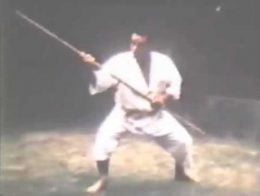
Shirotaru no Kon
This is one of most fascinanting bo kata performances. I allways enjoy watching this clip. Read more…
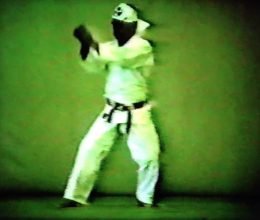
The oldest form of kata Passai
I came across an interesting article by sensei Robert Teller that the this footage of kate Passai is one of the oldest forms of this kata. His teacher Masonobu China told him that this kata goes back at least 200 years in the village of Shimabuku. Read more…
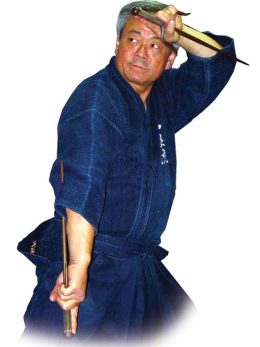
The Stories and Practice of the Okinawan Sai
Any serious review of Okinawan weapons history presents a mixture of exaggeration and fact. Read more…
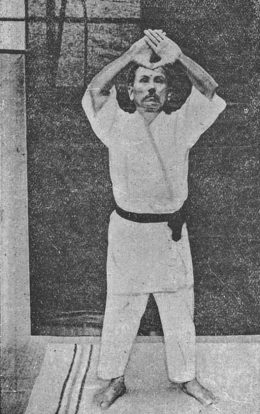
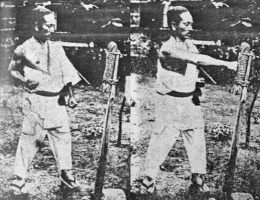
Master Funakoshi katas
It is fascinating to see these photographs from the earliest book by Master Gichin Funakoshi, the founder of modern karate, because they show what the kata of the Shorin-ryu style he practised looked like before they were reshaped into modern Shotokan.
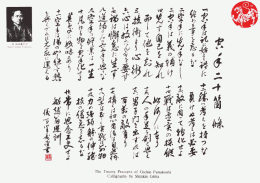
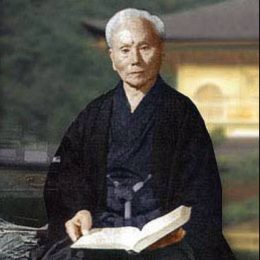
Gichin Funakoshi – The Beginning Of Modern Karate-do
Few martial arts enthusiasts could argue that if there was one Karate-ka (karate practitioner) known world wide that man would be Gichen Funakoshi. Read more…
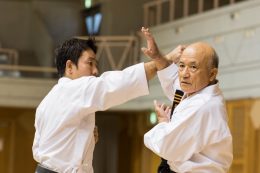
The Kata of Shorin-ryu Seibukan
In the following article, I will briefly describe the kata of Shorin-ryu Seibukan, and their origin. Describing kata by text is very difficult. Read more…
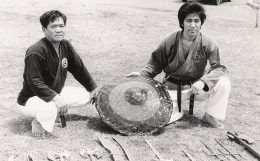
Matayoshi Kobudo Tradition
Master Matayoshi Shinko was born in Kakinobana-Cho, Naha City, in 1888, third son of Matayoshi Shinchin. He spent his childhood in Senbaru, Chatan Town. Read more…
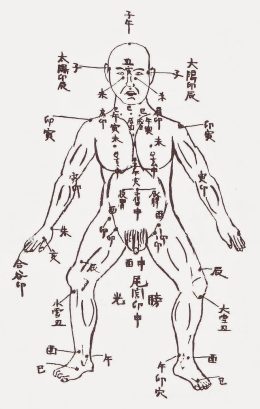
Kyusho – anatomically vulnerable points of human body
In order to execute effective karate blow, It is necessary to learn basics of human anatomy, physiology and first aid (learn first aid from the experts here to become a pro). This knowledge is called – kyusho. Read more…
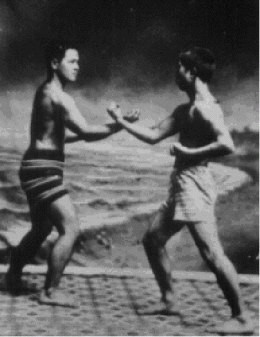
Kumite
Kumite (sparring) is form used to practice techniques of kata, under more realistic conditions, in which by prearrangement between participants, one applies offensive and the other defensive technique. Read more…
Recent Posts:
 Karate School for Children and AdultsIf you want to practice self-defense and traditional karate from Okinawa, you’re welcome to join us! We offer three groups: Children in grades 2-3 (9-10 years), practice sessions on Tue-Thurs at 8:00 PM. We still have a few spots available. Beginners aged 15 and up can choose to train on […]
- Tsunami e-book membershipTsunami e-book program membership Monthly membership in the Tsunami e-book program includes access to karate e-books and the right to participate in Tsunami dojo training sessions in Belgrade during the training season. Membership price Membership for one person is RSD 5,000 per month. Each […]
- Nunchaku tutorial – Matayoshi kata main sequence applicationMain sequence of Matayoshi nunchaku kata is very interesting because it is not simple figure “8” movement as in other known okinawan kobudo styles. If you look closely you will see that there are two straight strikes and two diagonals. Point here is to be able to strike with nuchaku […]
- All from Dojo 4 image
- Practitioner 5 image
- shuto-no-kamae
- Practitioner 7 image
- Sai kamae
 Karate on Facebook
 Tsunami dojo on Youtube
 Bunkai Instagram
Reading books and deconstructing karate as it once was…